 ©Denis Inghelbrecht
Light, Body, Screen
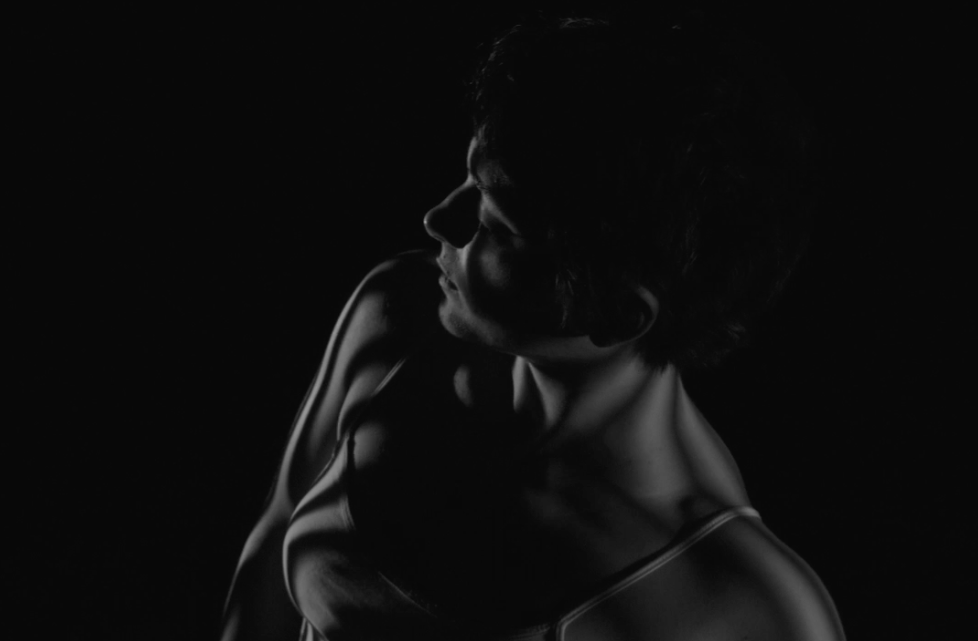
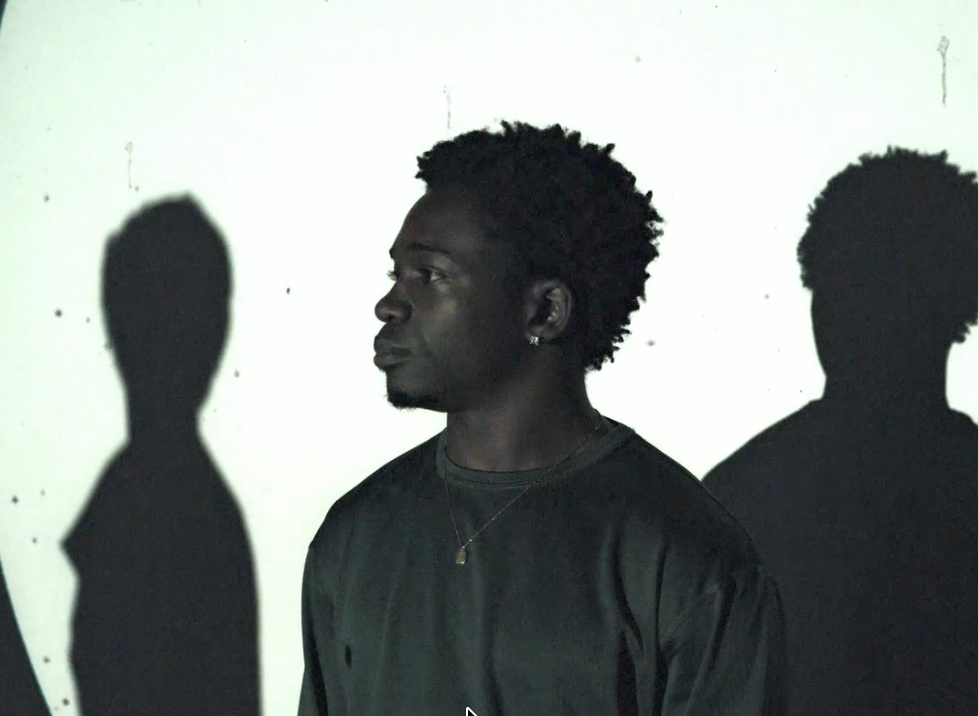
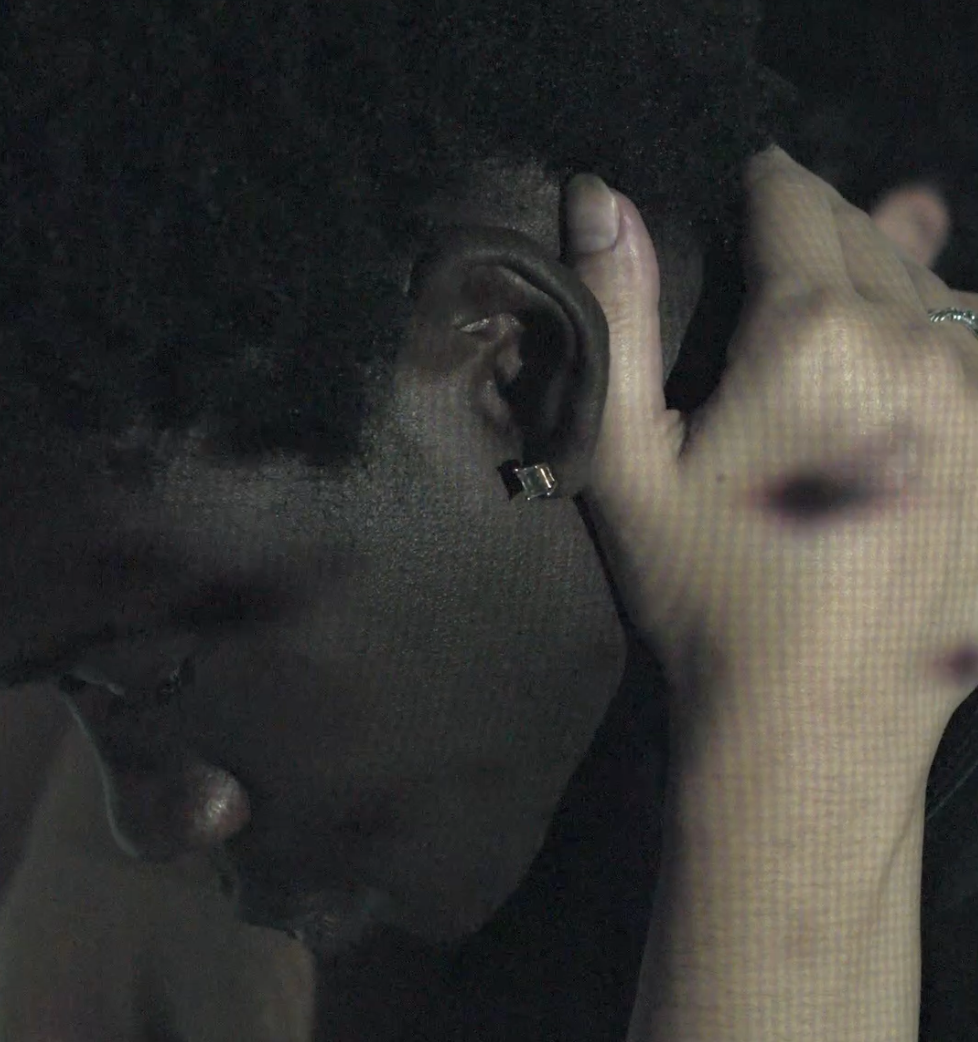
Light, Body, Screen is an ongoing artistic research project that started in August 2026. We're experimenting with how projection mapping can be used in dance and storytelling, and how bringing the camera into the picture can change the way we perceive movement.
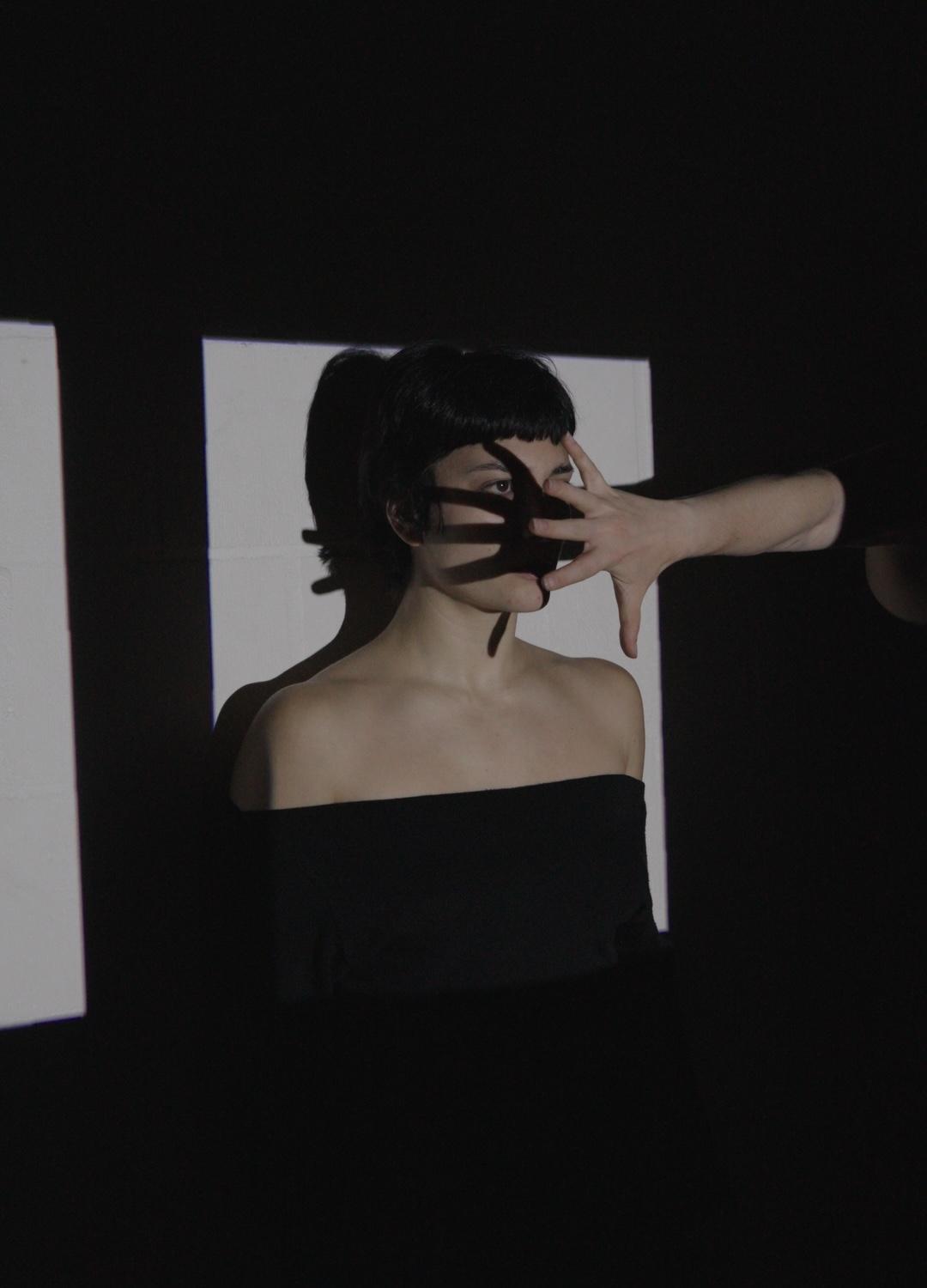
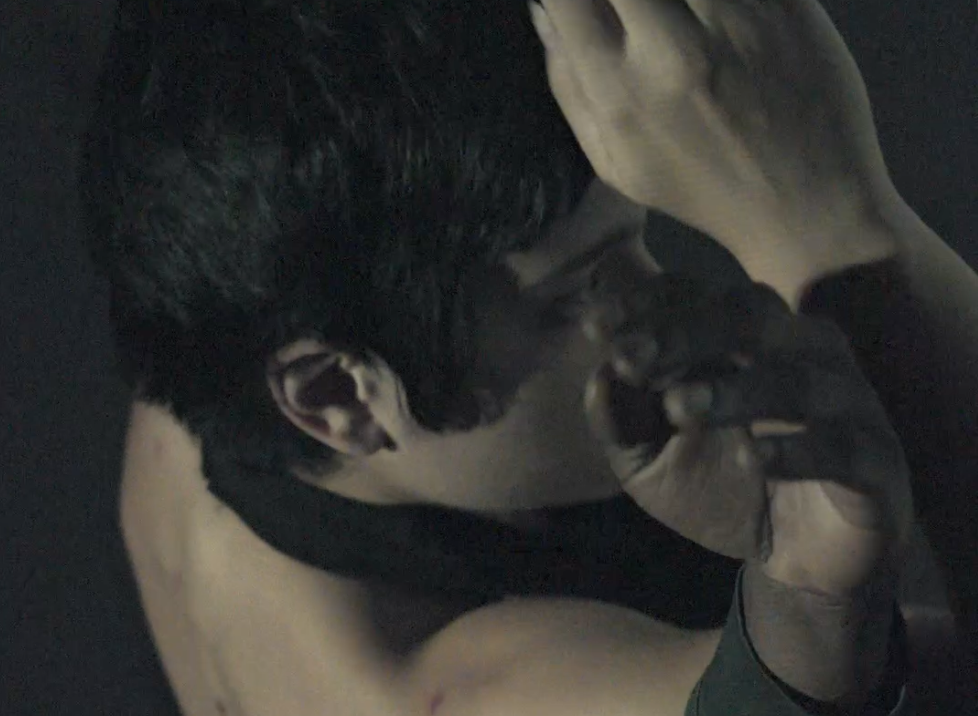
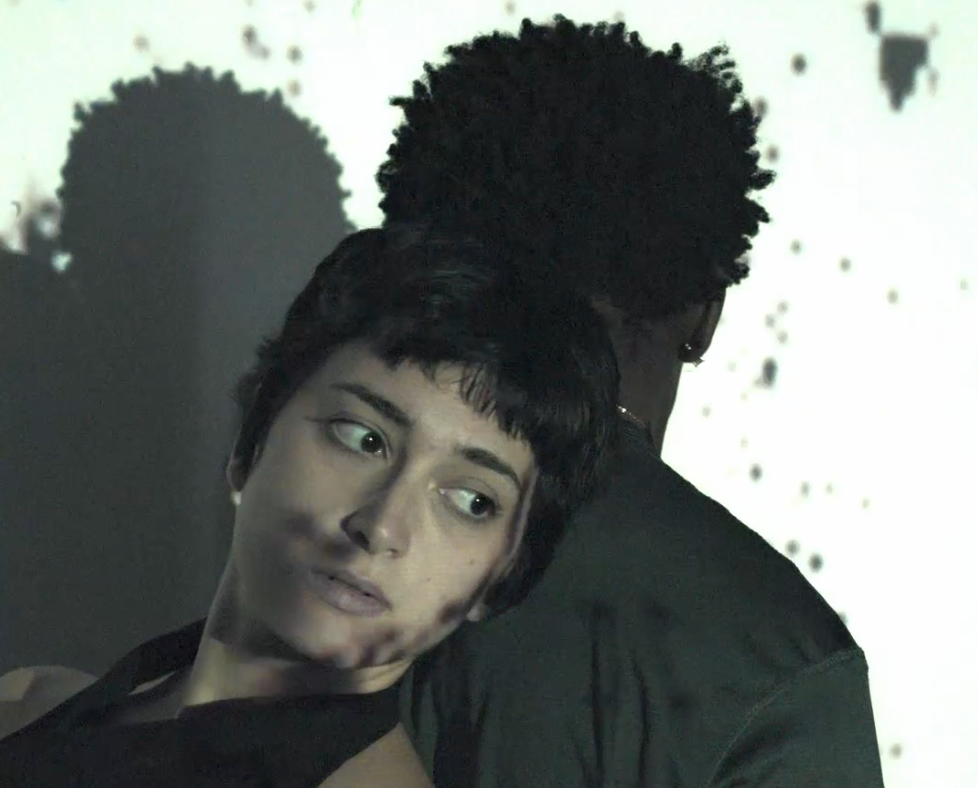
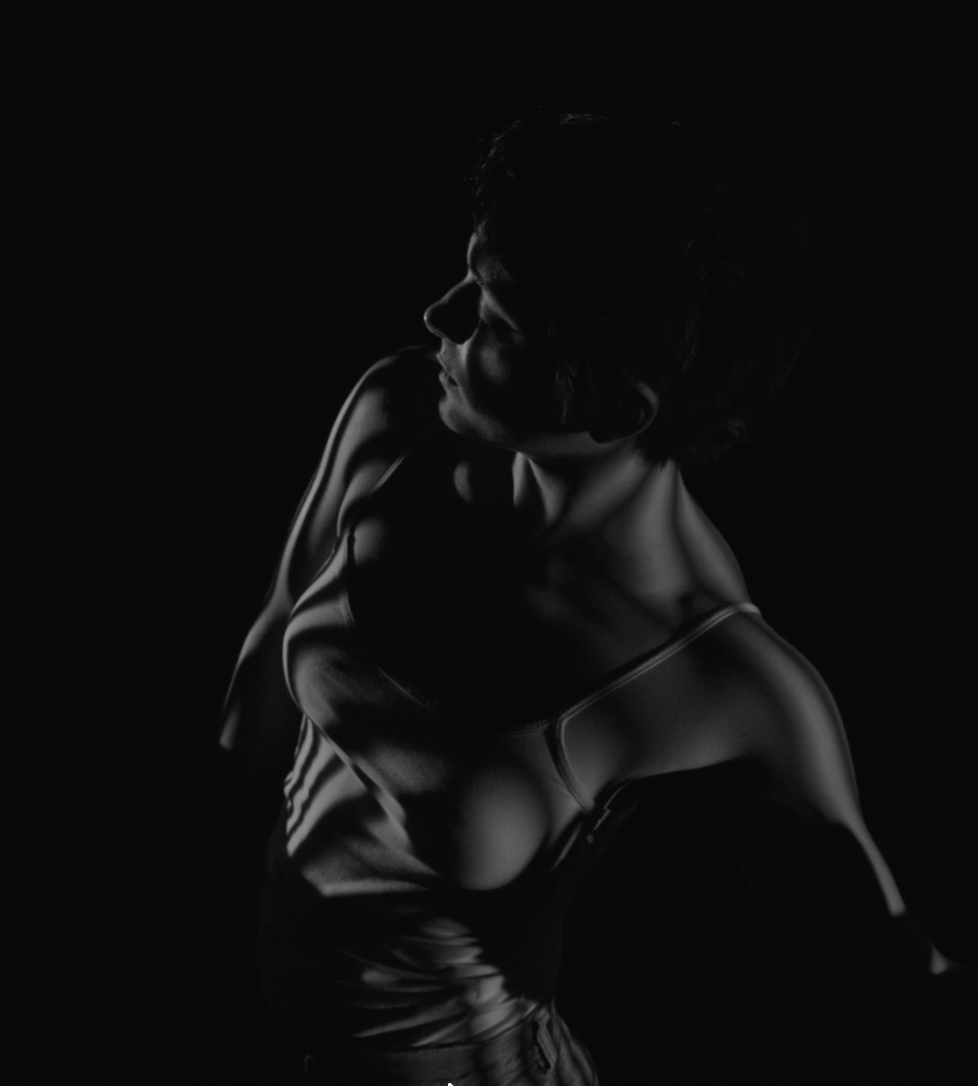
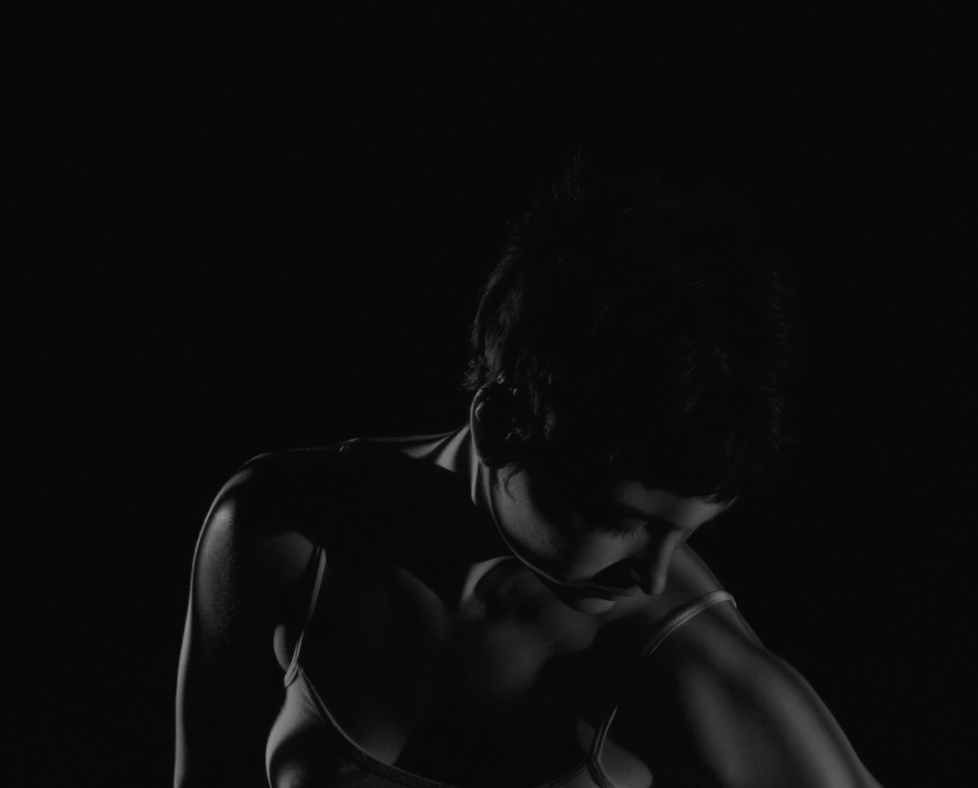
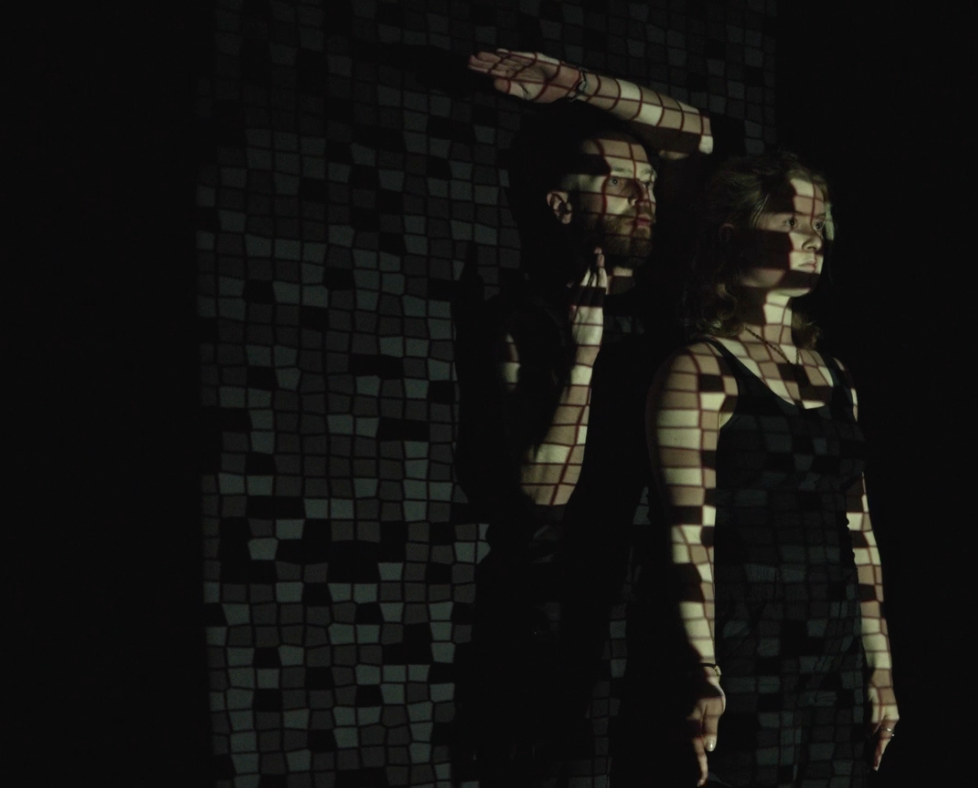
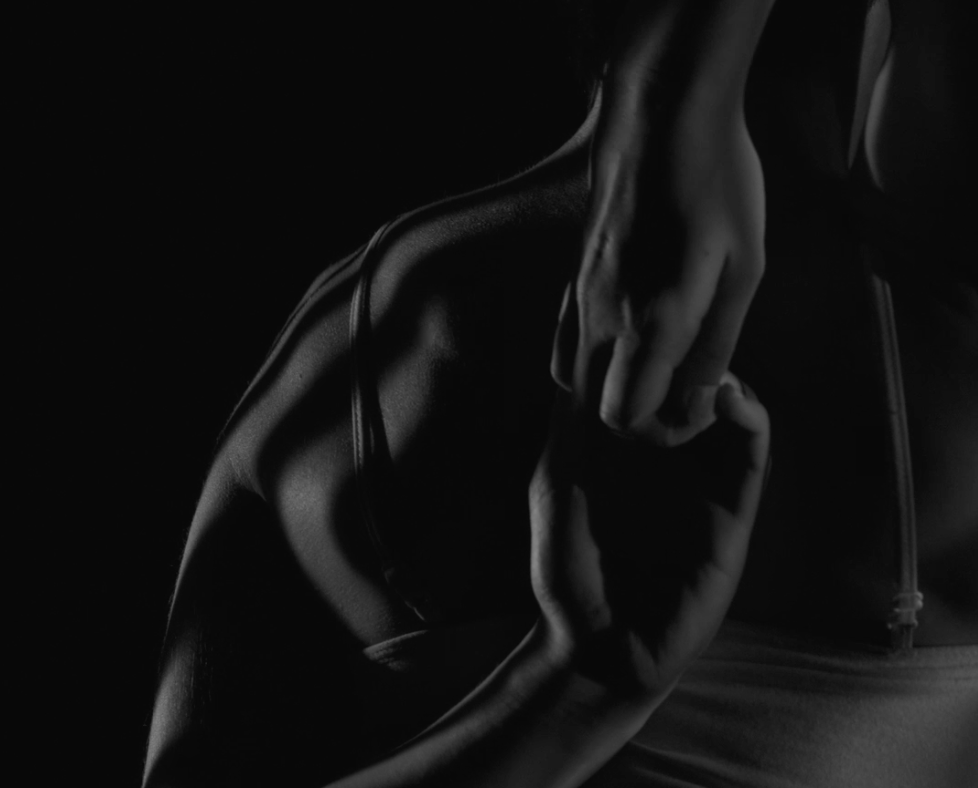
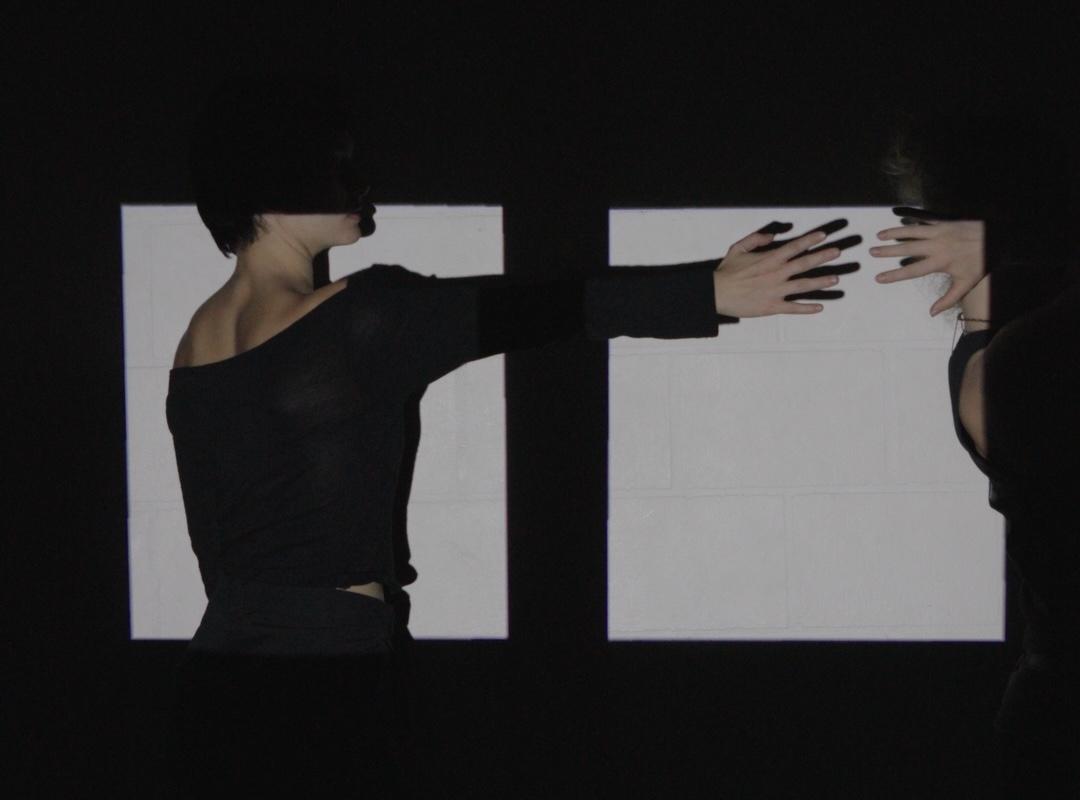
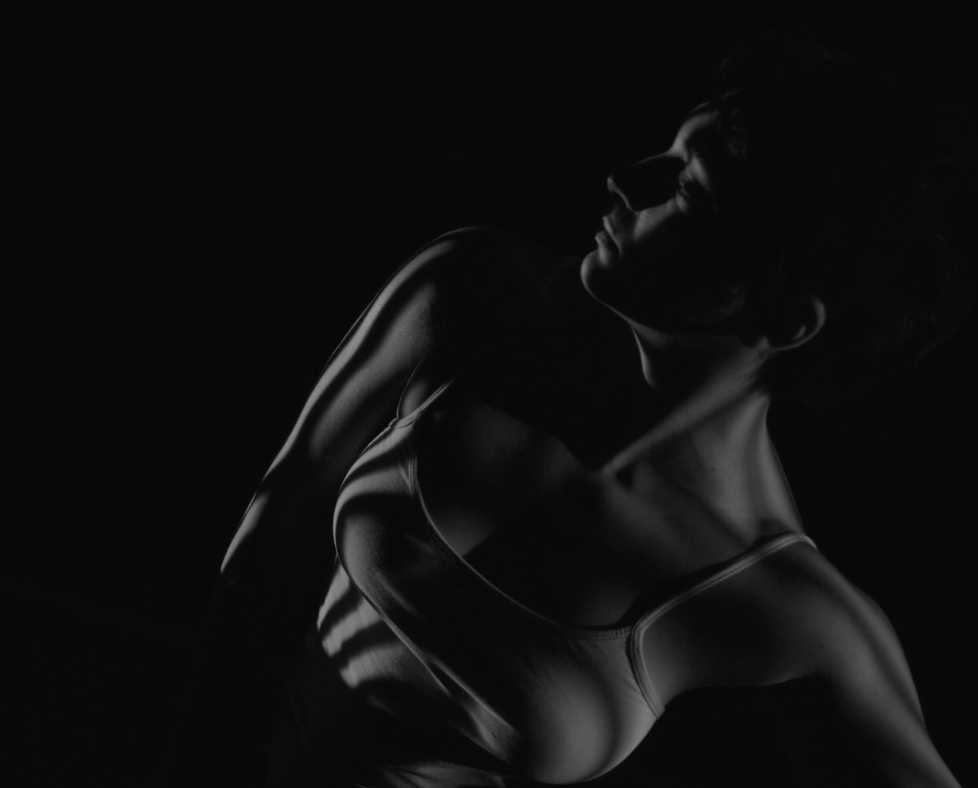
Using TouchDesigner, we're exploring different ways of projecting light onto the body. How can we use light to highlight certain body parts, amplify shapes or create illusions through movement? And how can these possibilities influence the choreography and the story we want to tell?
At the same time, we're still figuring out the software itself. We're learning how TouchDesigner works, what we can do with it and how we can translate those technical possibilities into something creative. It's a process of trying things out, seeing what happens and discovering how light, movement and the camera can work together.
Initiator: Denis Inghelbrecht
Collaborators: Theodora Manolakou, Manu Mpasi Garcia, and Yamuna Huygen
Software: TouchDesigner
Year: 2026 – ongoing
About the Research
Our starting point was that we all share an interest in dance and film. I have a background in programming and have always been interested in anything digital, from coding and 3D modelling to digital art and projection mapping. I've been experimenting with TouchDesigner since 2022, but never really tried combining it with the human body.
As my broader research into screendance is still ongoing, we figured it would be interesting to explore how light could become part of the creative process. How can we use projections to highlight certain body parts, amplify movement or play with the shapes we create? And what happens when we bring the camera into the picture? Can we use light to change how we perceive movement, create a certain atmosphere or give a different meaning to what we're seeing?
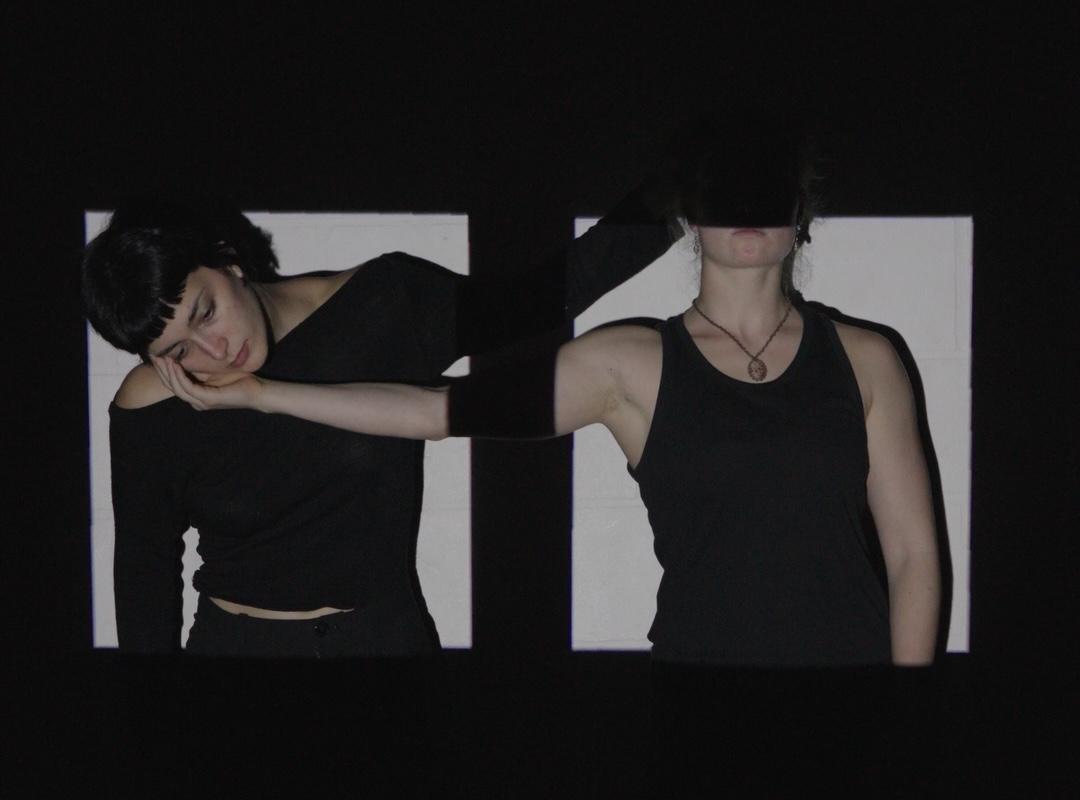
Light, Body, Screen is an extension of my broader research, Camera als choreografisch instrument, where I'm trying to better understand how we can transform the body through the camera. Within this project, we're focusing on how light and projection mapping can influence the way we read movement. By experimenting with different projections, camera angles, backgrounds and movements, we want to see how these different elements interact with each other and how they can change the overall feeling of an image. Eventually, I hope to find ways to use these discoveries within choreography and storytelling, where the different artistic layers can influence each other throughout the creative process.
 ©Denis Inghelbrecht
 ©Denis Inghelbrecht
Live Body / Screen Body
An important part of this research is the relationship between the live body and the screen body, something I've been exploring through the work of screendance scholar Sherril Dodds. How we perceive movement in real life can be very different from how we see it on screen. By playing with camera angles, framing and editing, we can change the way a movement is presented and understood.
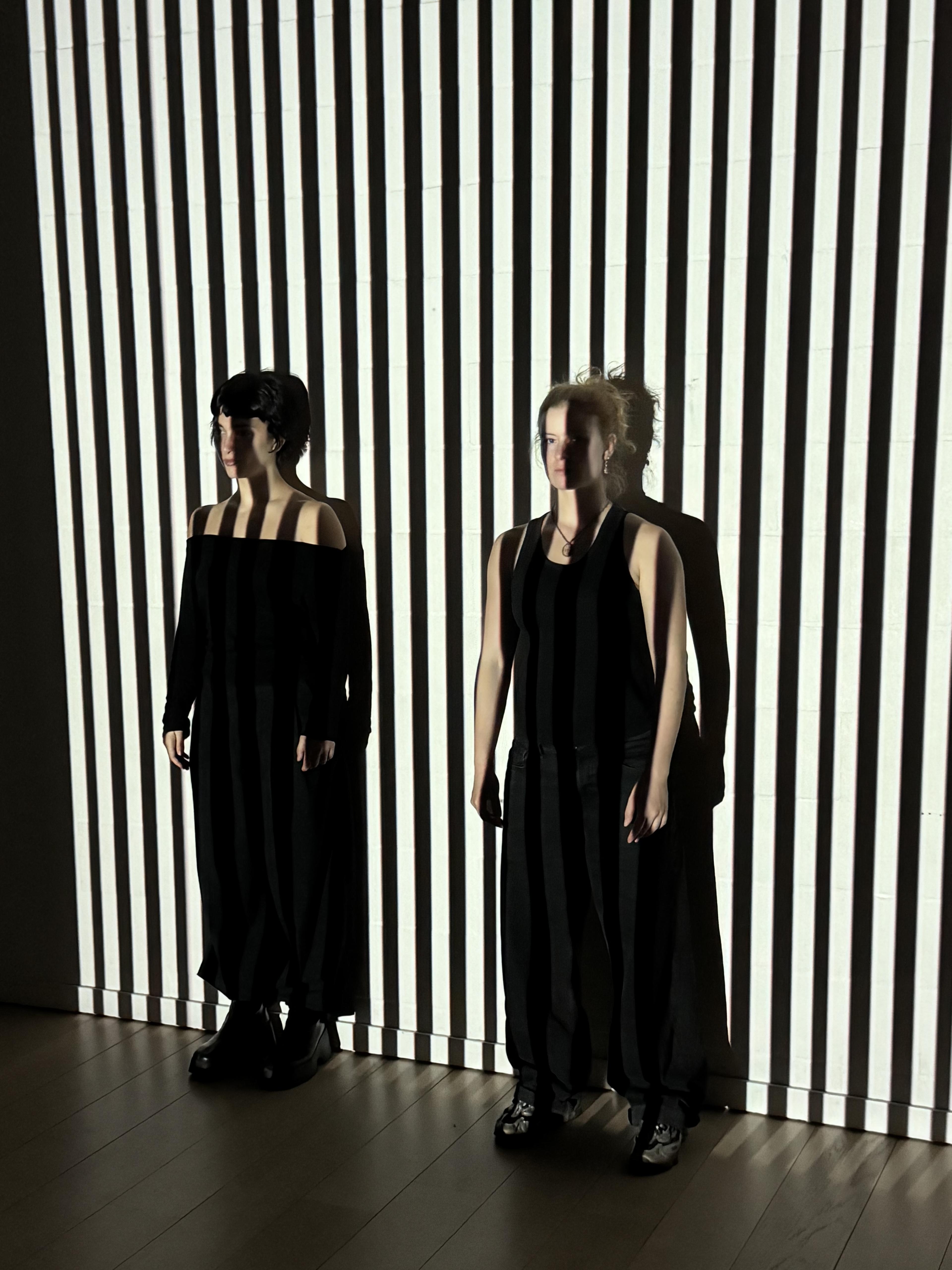
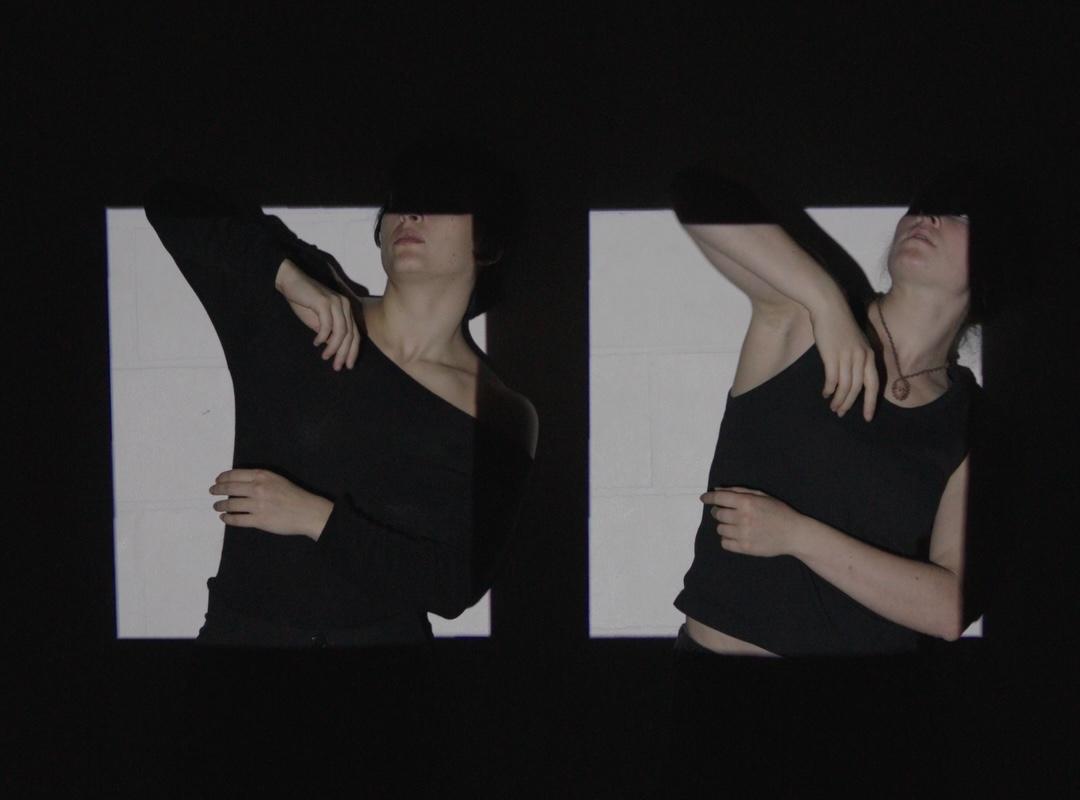
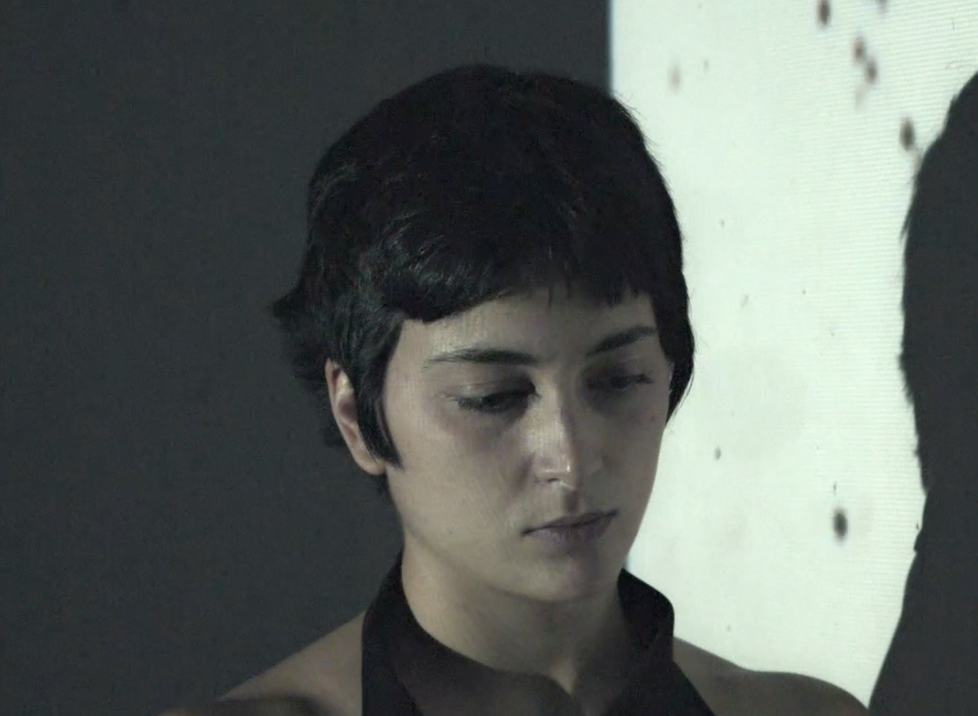
Projection mapping adds another layer to this. By projecting light onto the body, we can play with how the movement influences the projection and how the projection changes the way we see the body. Even something as simple as projecting lines onto a dancer can create interesting illusions when the body starts moving.
What interests me is how we can bring all these elements together. Depending on where we place the camera, what we choose to show in the frame and how we use the light, the exact same movement can give a completely different feeling. We're experimenting with these possibilities to better understand how we can use them within choreography and storytelling.
Experiment 1: The Winding Snake
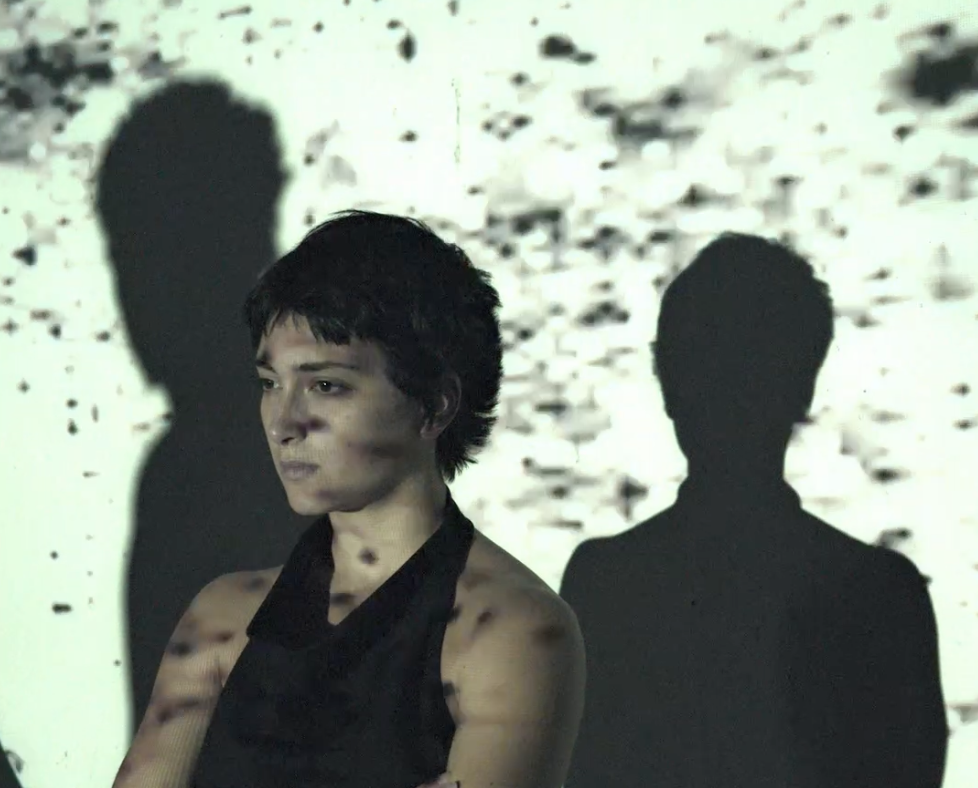
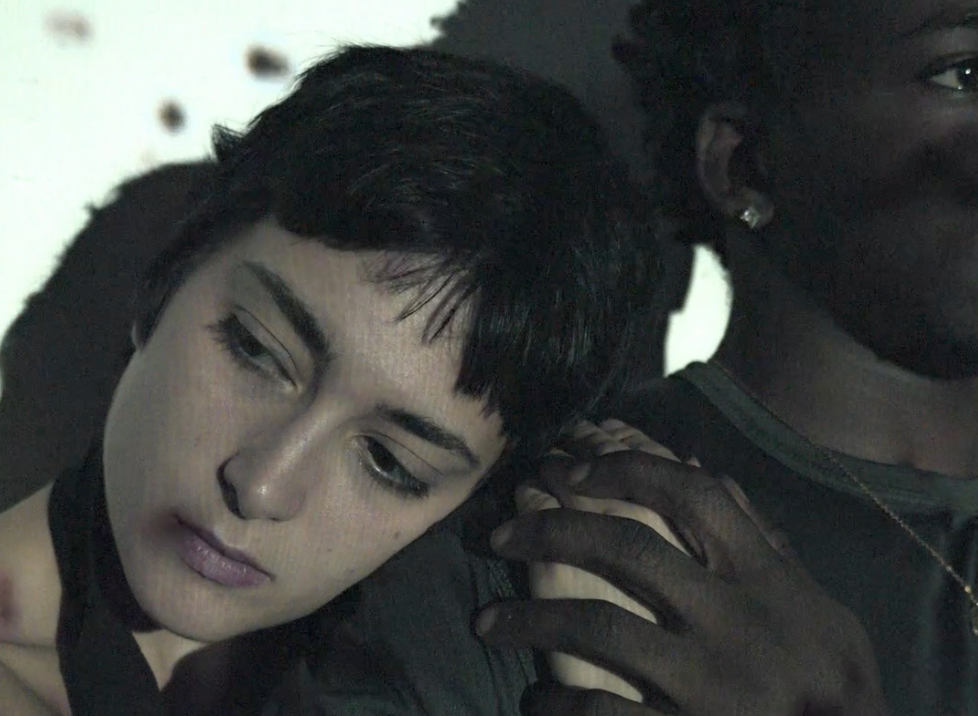
The Winding Snake is one of the first finished works to come out of this research. We brought together projected imagery, movement improvisation, and filming to explore how they could influence each other.
The experiment helped us understand how a projection changes when it meets a moving body and is then captured on camera. It gave us a first opportunity to work through these ideas in a finished film.
For us, it became a starting point for exploring how light can shape the way movement is seen and felt, and how that relationship can carry a story.
Watch The Winding Snake on ScreencastVideo is loading...
Images
 ©Denis Inghelbrecht
 ©Denis Inghelbrecht
 ©Denis Inghelbrecht
 ©Denis Inghelbrecht
 ©Denis Inghelbrecht
 ©Denis Inghelbrecht
 ©Denis Inghelbrecht
 ©Denis Inghelbrecht
 ©Denis Inghelbrecht
 ©Denis Inghelbrecht
 ©Denis Inghelbrecht
 ©Denis Inghelbrecht
 ©Denis Inghelbrecht©Denis Inghelbrecht©Denis Inghelbrecht
 ©Denis Inghelbrecht
 ©Denis Inghelbrecht