 ©Thijs De Lange
Universal Tongue - MAS 2025
From October 2025 to January 2026, I worked with MAS on Universal Tongue, a major exhibition looking at how dance functions as a universal language. The project focused on the way movement travels between people, across borders, and through digital platforms, treating dance as a form of living heritage.
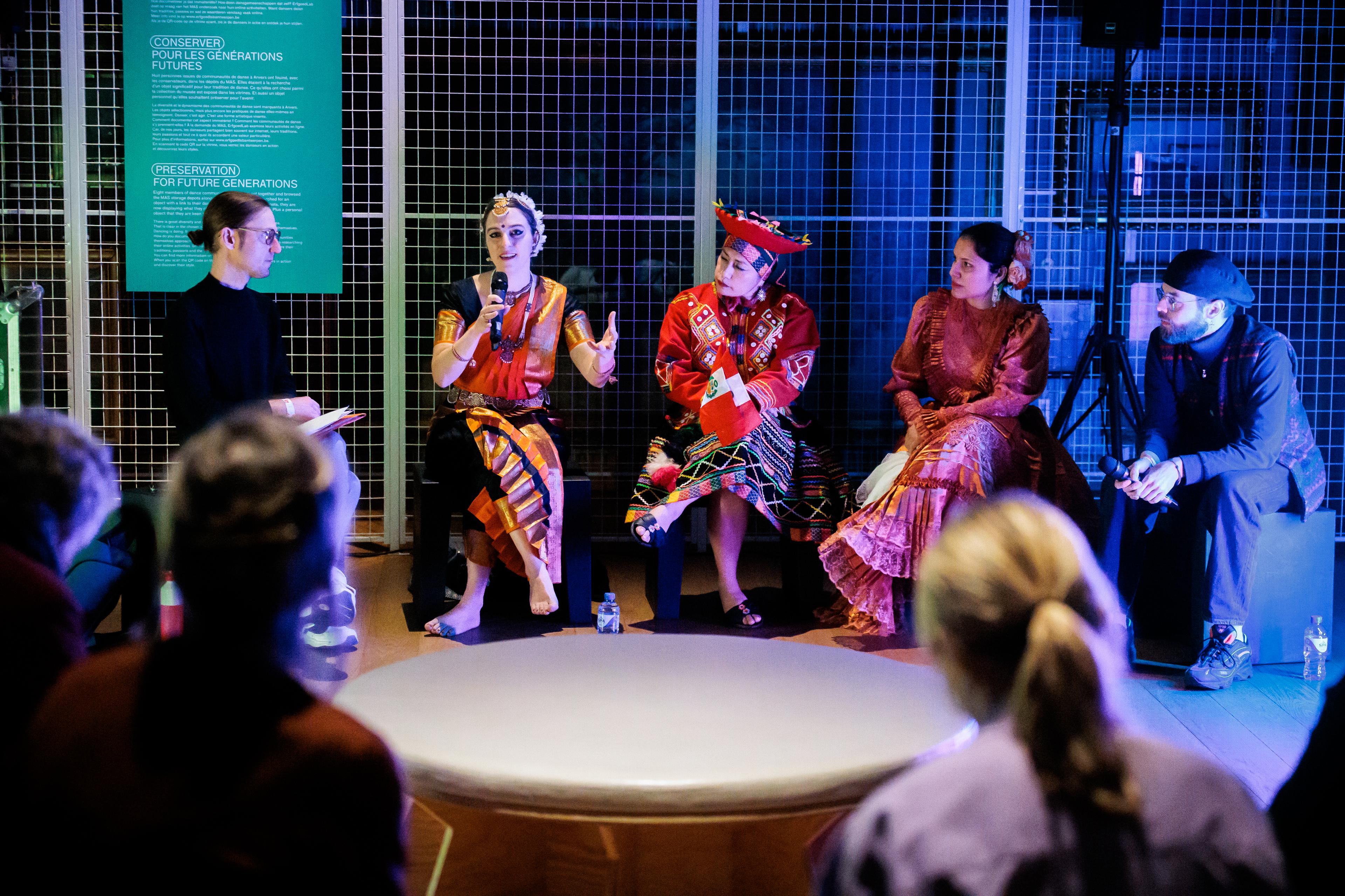
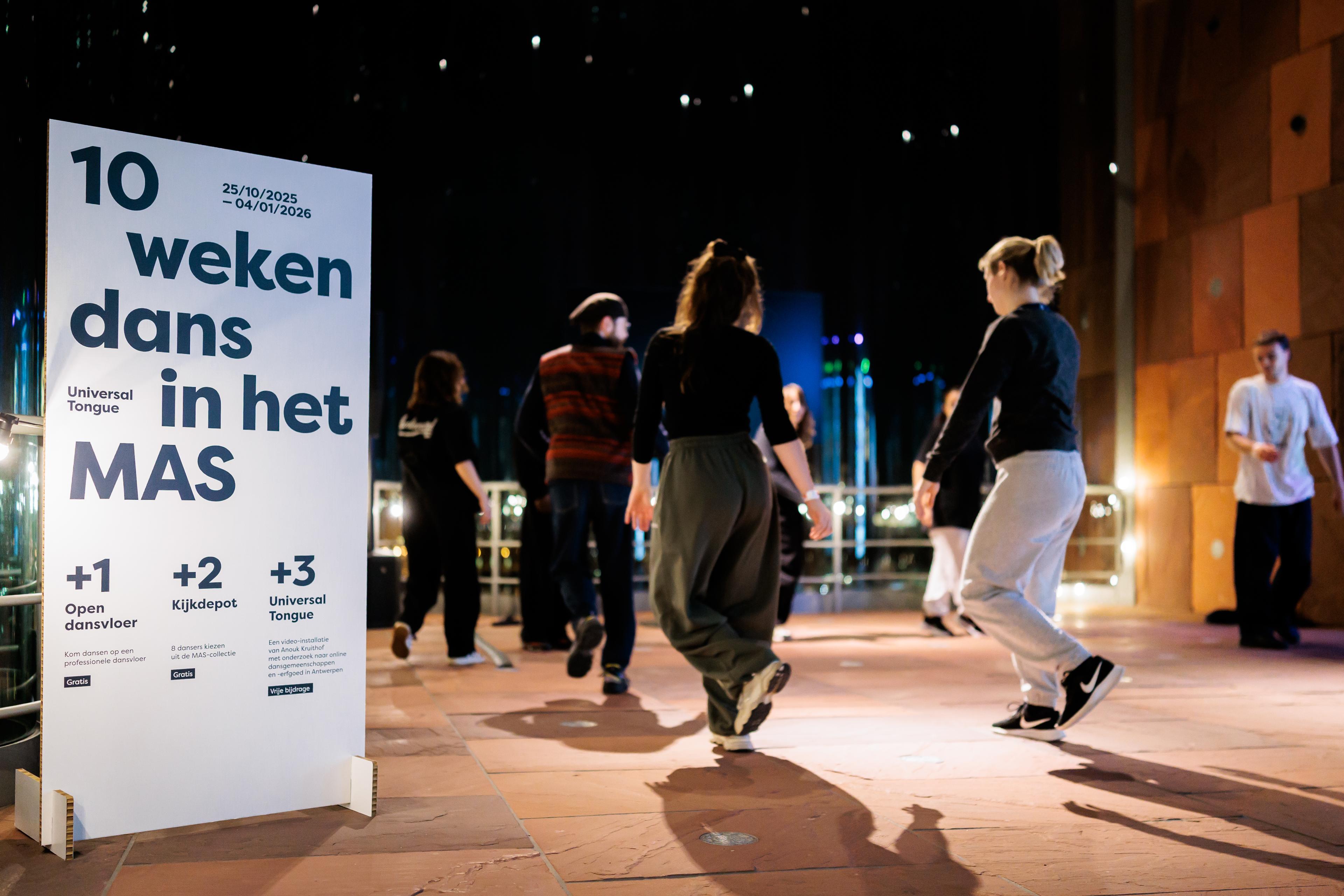
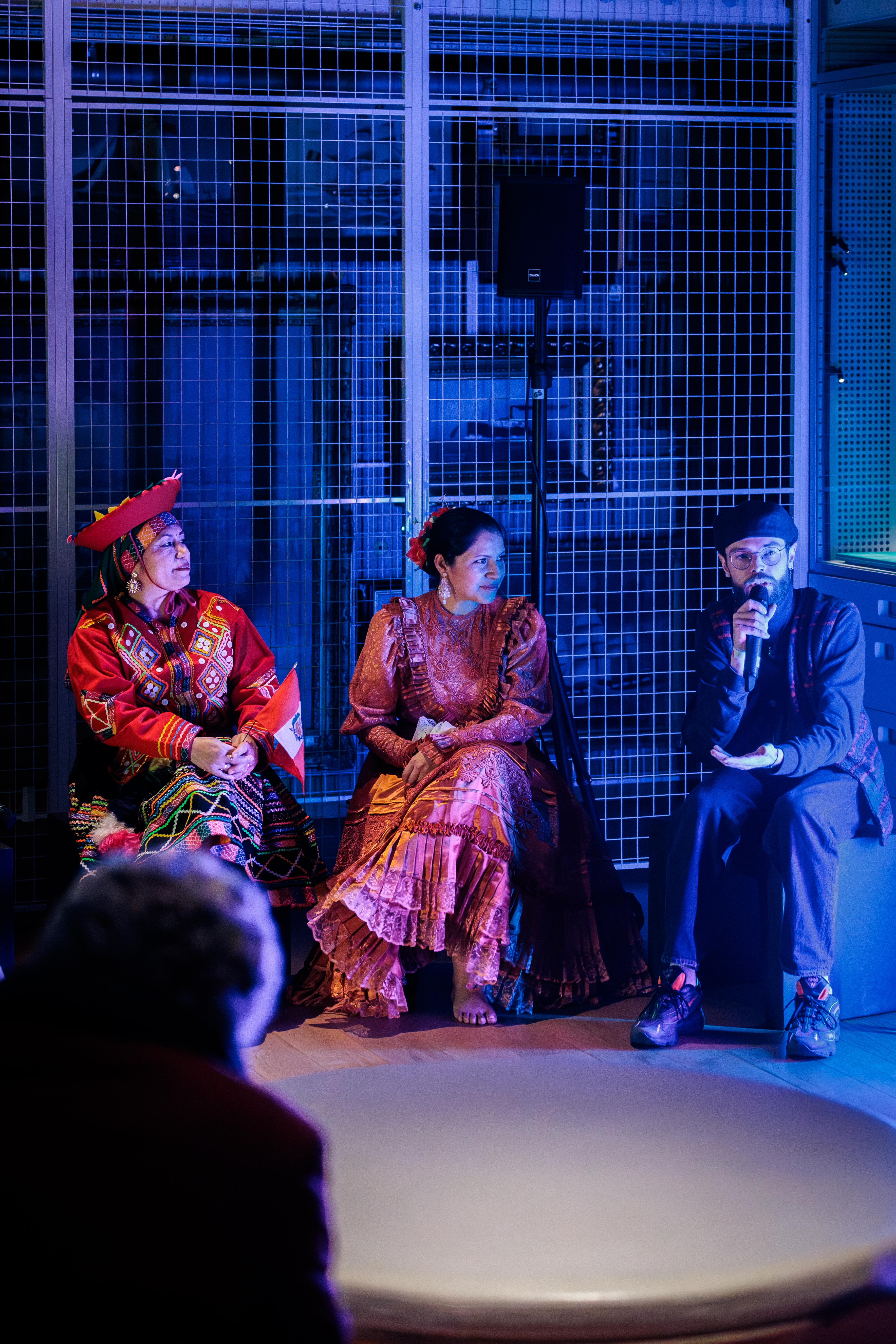
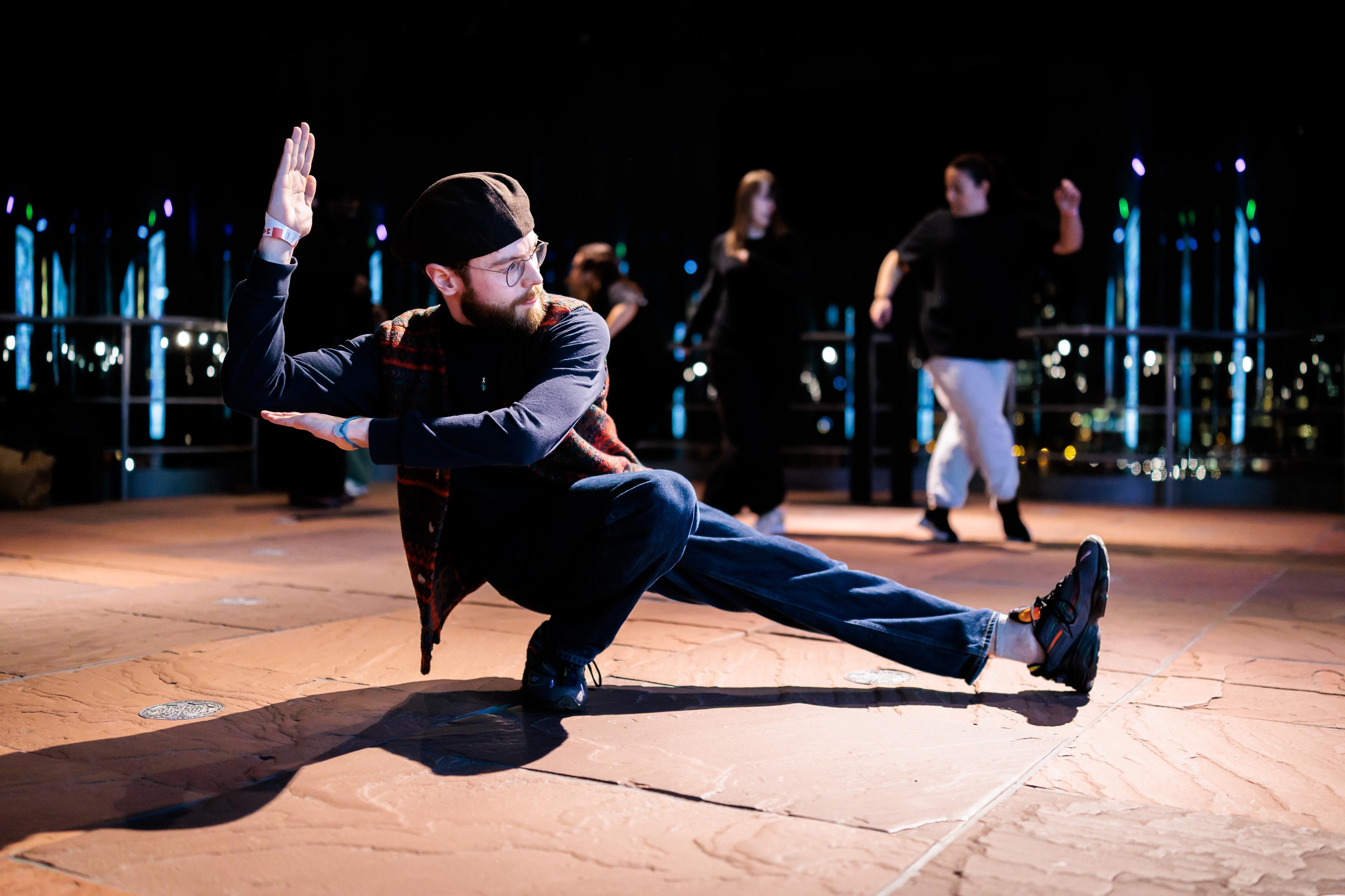
My role was multifaceted, contributing as a choreographer, workshop facilitator, and panelist. I acted as a bridge between street and club (online) dance scenes and the museum’s research, helping to transform the exhibition into an active space for movement and dialogue alongside the installation.
Dates: 25.10.2025 - 04.01.2026
Partners: Museum aan de Stroom, ErfgoedLab, Anouk Kruidhof, City of Antwerp
Images
 ©Sandra Lintermans
 ©Jeroen Broeckx©Jeroen Broeckx
 ©Tom Cornille
 ©Jeroen Broeckx
 ©Jeroen Broeckx
 ©Jeroen Broeckx
The work of Anouk Kruidhof
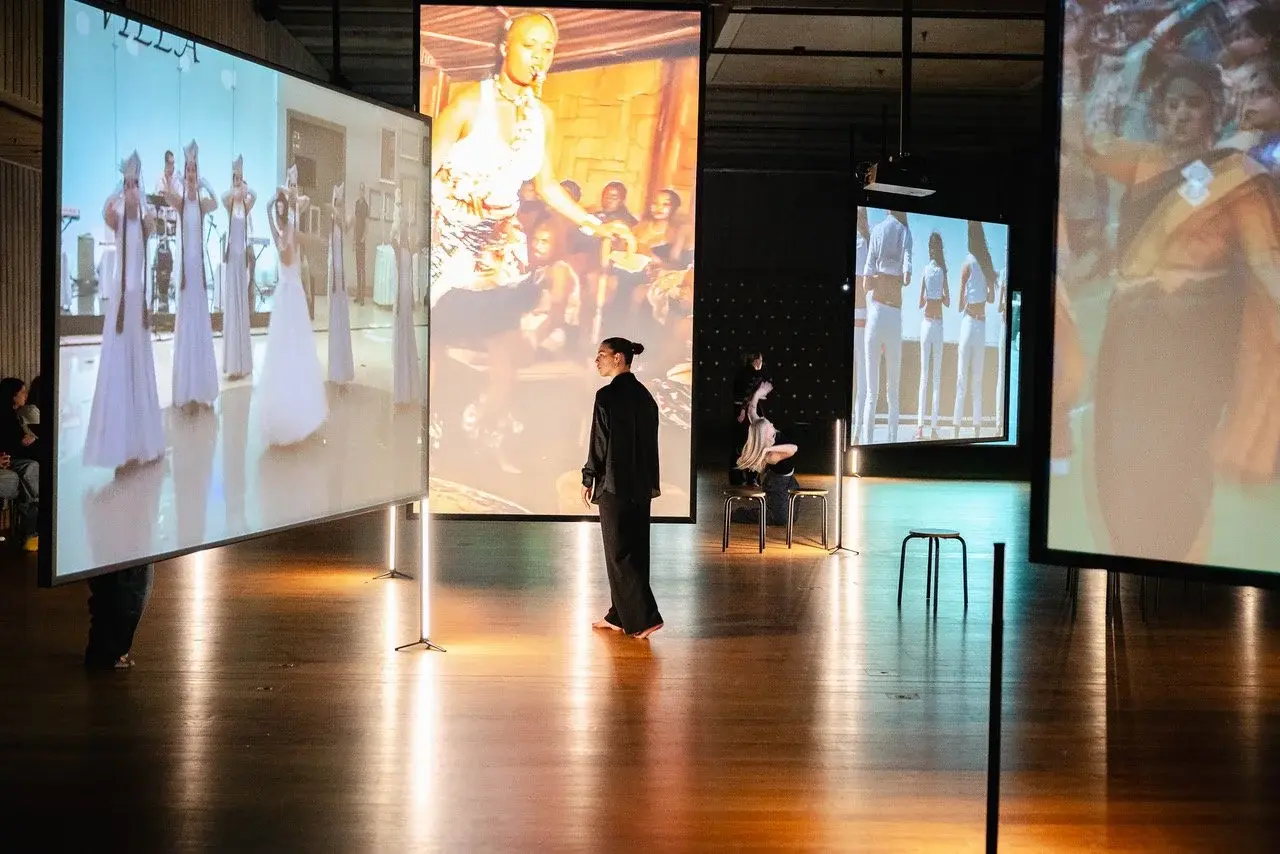
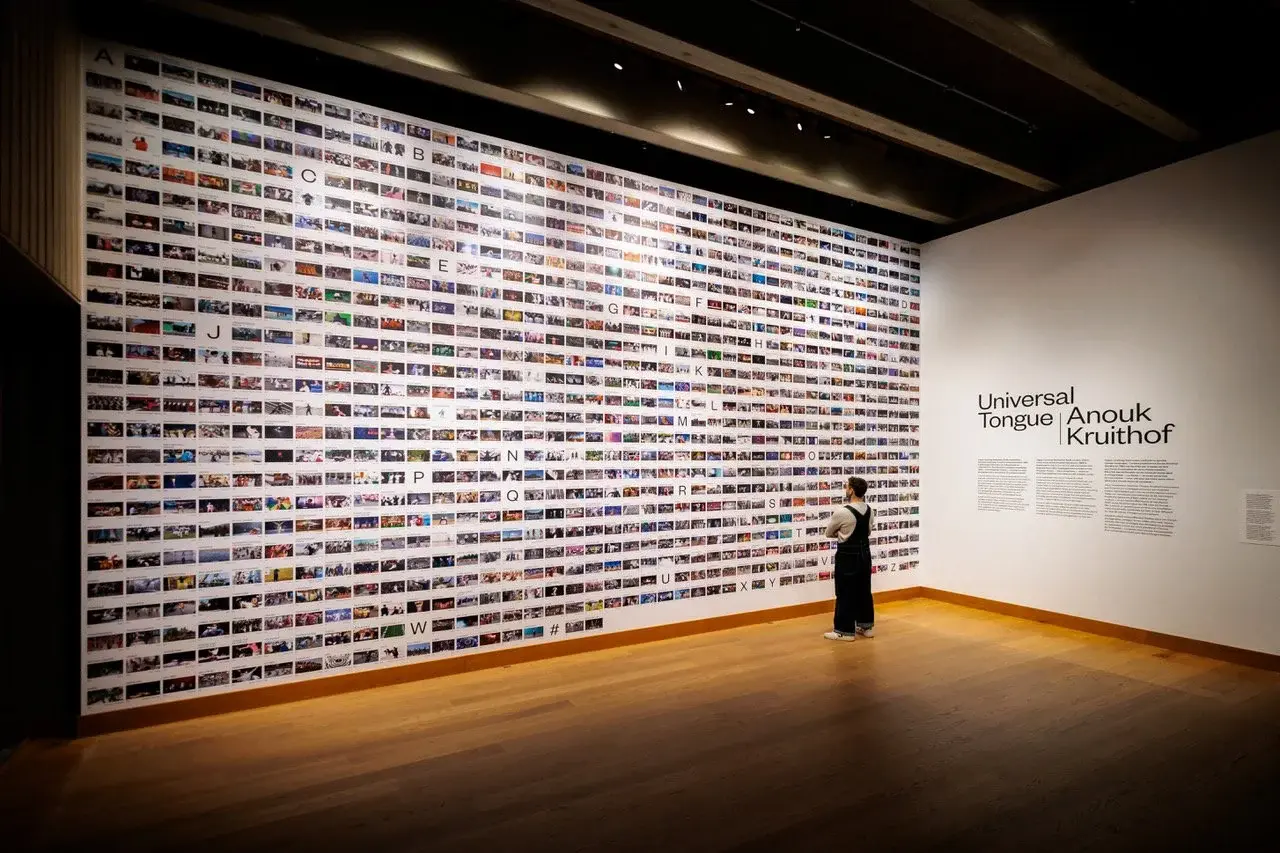
The center of the exhibition featured a massive video installation by Anouk Kruidhof. By pulling together an archive of dance videos from all over the world, the work showed the striking parallels in how people move, regardless of where they are from. It highlighted how similar patterns and gestures reappear across different cultures, showing that dance really functions as a shared human vocabulary.
Because the footage was sourced from online platforms, the installation also looked at how dance changes as it travels through the digital world. Rather than treating dance as something fixed or finished, Kruithof’s work showed it as something that never stops changing. It’s a look at how movement is constantly being reshaped by people moving across borders, the influence of social media, and the way different communities borrow from and inspire one another today.
©Jeroen BroeckxVideo is loading...
Heritage in Motion: Dance in a Digital Age
Alongside the Universal Tongue installation, MAS presented Heritage in Motion: Dance in a Digital Age. This was a research project led by ErfgoedLab Antwerpen that looked at how dance functions as "intangible heritage" in the modern world, specifically focusing on how it lives and grows online. The research was based on the fact that while dance used to be passed down mainly in person—through clubs, stages, and communities, it now circulates just as much through social media platforms and digital communities.
Viral clips, tutorials, and challenges have created new ways for movement to spread and evolve, which led ErfgoedLab to look at how these platforms actually change the dance itself. The project explored how the history of a style shows up in modern movement and whether these online groups should be seen as heritage communities in their own right. Ultimately, it framed online dance as a real form of cultural expression that happens in digital spaces just as much as in a museum or a local neighborhood.
Het Kijkdepot — Imhotep and Tutting
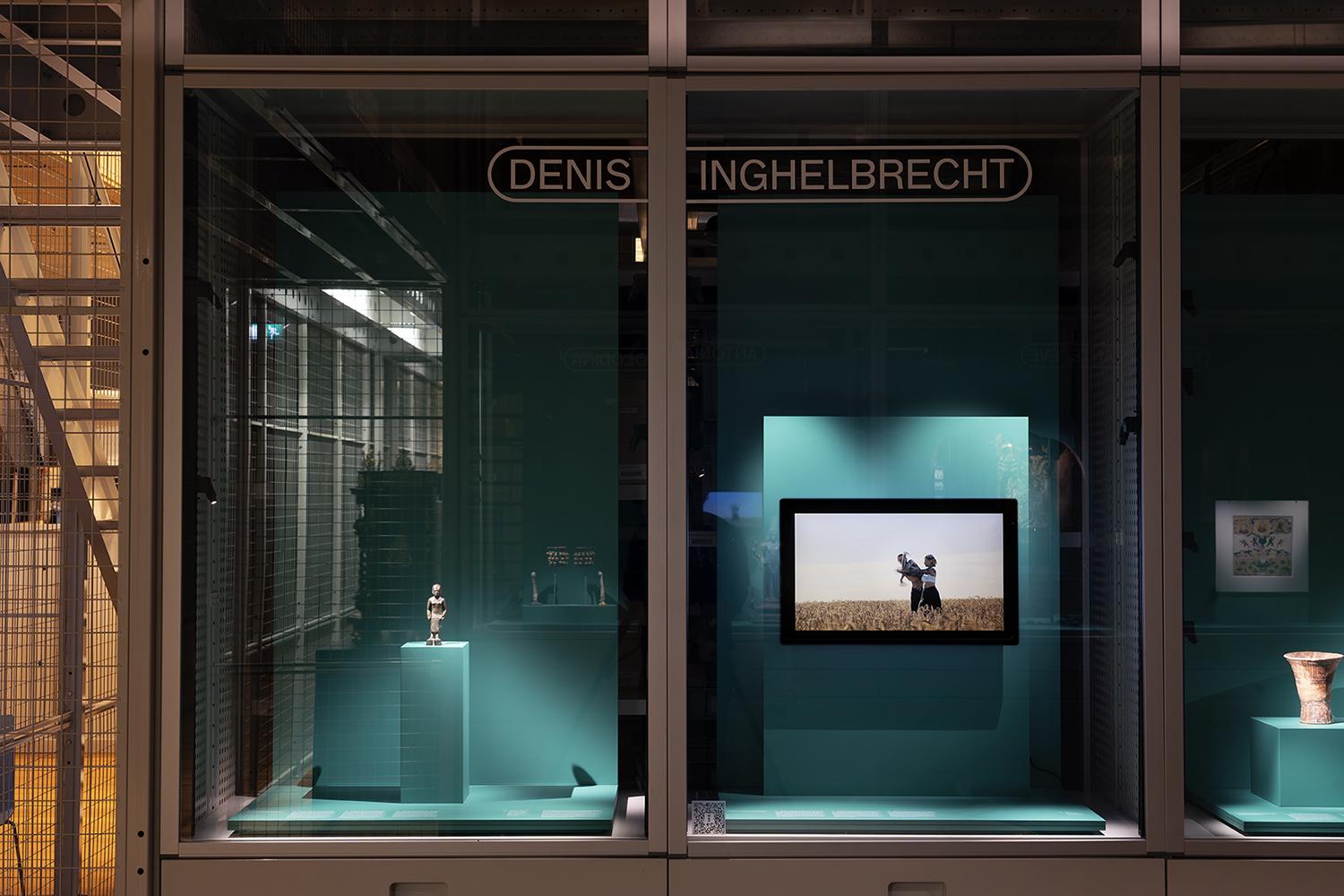
As part of the MAS Kijkdepot, I selected a figure of Imhotep from the museum’s collection to connect with my own dance practice. Imhotep was the architect behind the first pyramids, and he represents a revolutionary shift in how things were built. For me, he embodies the link between Egyptian history and the structural way I move.
The style I practice, Tutting, is built on the angular, two-dimensional poses found in ancient Egyptian art. It’s about using the body to construct geometric shapes and spatial illusions. While the name "Tutting" refers to Tutankhamun, the logic of the style is really about architecture and precision. By choosing this object, I wanted to show how I treat the body as a piece of moving architecture. Building lines and shapes in real-time, much like the structures Imhotep designed.
©Sandra Lintermans